Evaluation & Assessment
Use technology to facilitate appropriate assessment and evaluation strategies and determine the effectiveness of technology in curriculum or instruction.
Artifacts
Institutional Technology Environment Assessment
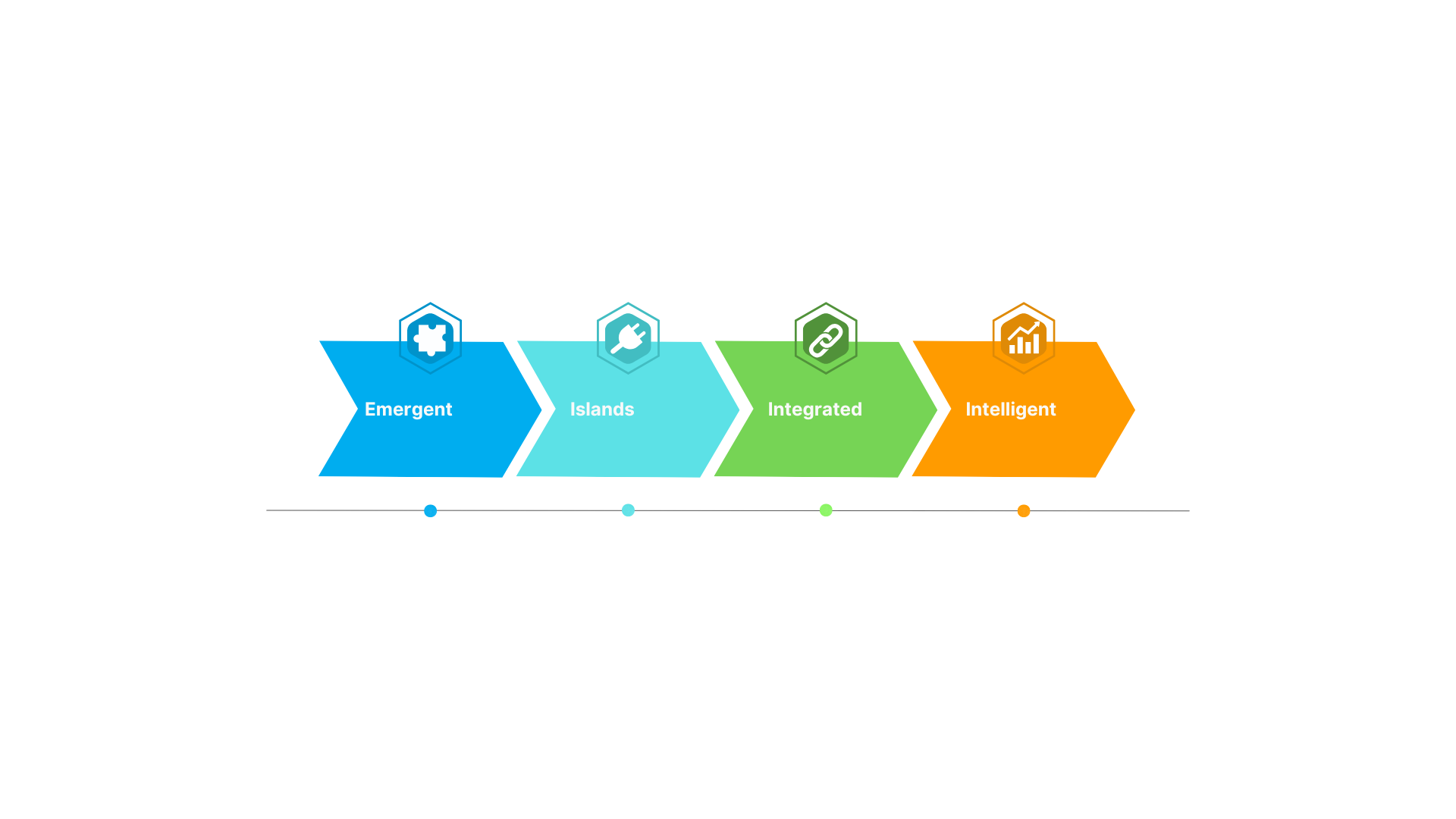
The Institutional Technology Environment Evaluation analyzes the technological maturity of a university in the Pacific Northwest using a maturity model framework. The evaluation examines administrative systems, curricular integration, support structures, connectivity, an innovations to assess both behavioral practices and infrastructure capacity.
The development of this artifact required a comprehensive analysis of institutional technology systems, emphasizing data-informed evaluation, identification of gaps, and the formulation of strategic recommendations for continuous improvement.

Club Communication Among Guide Dog for the Blind Members
Club Communication Among Guide Dog for the Blind Members evaluation examines the communication practices for my local Guide Dogs for the Blind (GDB) club using a formative, goal-based evaluation model. Data collected through observation, surveys, and interviews assessed the clarity, timeliness, accessibility, and retention of club-wide announcements.
The development of this artifact involved systematic data collection through structured observations, surveys, and interviews, followed by analysis to identify communication gaps and generate practical, evidence-informed recommendations for improving volunteer engagement and information retention.
Shelter Surrenders - An Iterative Simulation
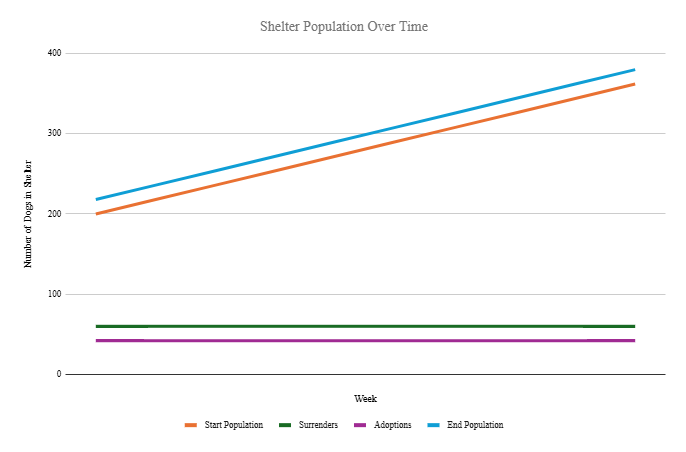
Shelter Surrenders is an iterative Excel-based model designed to help shelter staff visualize and forecast animal population changes over time. The simulation allows users to adjust variables such as initial population, weekly surrender rates, weekly adoption rates, and shelter capacity across multiple weeks. It also tracks surrender reasons (e.g., unrealistic expectations, time constraints, reactivity, moving) and breed distribution to identify patterns contributing to intake trends.
The development of this artifact involved designing an interactive Excel model to simulate shelter populations, intake rates, and surrender reasons over time. It allows staff to explore patterns in surrenders and adoptions to better plan for shelter capacity and operations.