Pedagogy & Theory
Demonstrate the ability to integrate pedagogical approaches and educational technologies in practical classroom teaching and training as well as the ability to reflect on the effective application of technology-supported pedagogical approaches.

Artifacts

Flipped Classroom - Slide Deck Presentation
The Flipped Classroom Slide Deck addresses the implementation of flipped classroom instruction focusing on both student access and faculty readiness. The goal for this project is to bridge the homework gap by establishing a loaner program for students without home devices, partnering with local organizations for technology access, and providing flexible learning materials, including printed or downloadable content.
Simultaneously, faculty readiness is supported through professional development workshops covering video creation, iPad use, and instructional design support. The artifact includes a phased implementation plan for rolling out flipped classrooms, demonstrating how technology supported pedagogy can enhance student engagement and prepare educators to effectively integrate new instructional approaches.

Comparing Behaviorism and Cognitivism in Human and Canine Learning
Comparing Behaviorism and Cognitivism in Human and Canine Learning examines how behaviorism and cognitivism apply to both human education and dog training. This project highlights strengths and limitations of behaviorist approaches, such as reinforcement and repetition, while emphasizing the potential of cognitivist strategies to foster critical thinking, problem solving, and emotional regulation.
By analyzing examples from classrooms and dog training methods, this artifact demonstrates how integrating cognitive approaches alongside behaviorist techniques can enhance engagement, learning outcomes, and ethical practices across species.
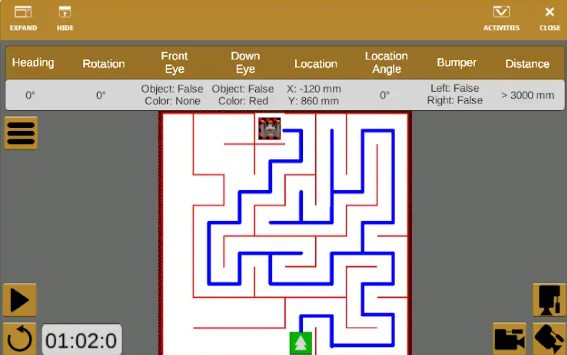
VEX Code Lesson Plan - A Procedural Simulation
VEX Code Lesson Plan provides a structured introduction to programming through the VEXcode VR platform. Designed for beginner and intermediate learners, the lesson guides students in navigating a dynamic maze using sensor input while emphasizing critical thinking, problem-solving, and debugging skills.
The lesson plan incorporates step-by-step demonstrations, group collaborations, and hands-on experimentation, allowing students to apply coding concepts such as loops and conditional statements in a meaningful context. Reflection and discussion components encourage learners to connect their technical work to real-world applications.